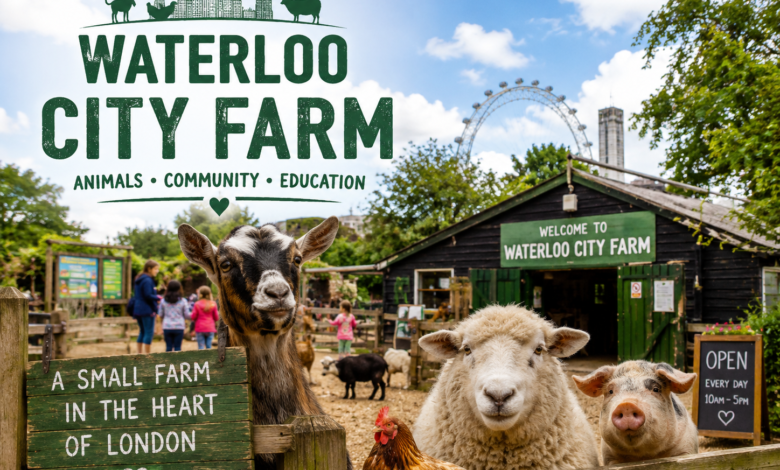
Waterloo City Farm is a special urban farming destination located in the heart of London, offering visitors a peaceful and educational experience away from the busy city streets. This community-focused farm provides a rare opportunity to connect with animals, nature, gardening, and sustainable living without travelling outside the capital. It has become a popular place for families, local residents, schools, and visitors who want to enjoy a unique countryside-style experience in an urban setting.


Established on a previously unused piece of land near Waterloo, the farm has transformed an overlooked area into a welcoming green space filled with learning opportunities and community activities. Waterloo City Farm combines traditional farming values with modern city life, creating a place where people can understand more about food production, animal care, and environmental responsibility while enjoying a relaxing visit.
The Story and Purpose Behind Waterloo City Farm
The development of Waterloo City Farm represents an inspiring example of urban regeneration and community improvement. The farm was created to bring people closer to nature and provide a place where children and adults can discover the importance of farming, wildlife, and sustainability. Instead of leaving unused land empty, the project turned it into a valuable community resource that supports education and wellbeing.
The farm works closely with local groups, schools, and organisations to provide meaningful experiences for visitors. Through farming activities, workshops, and educational programmes, it encourages people to learn practical skills while developing a deeper appreciation for the environment. The project demonstrates how even small areas of land in major cities can become important spaces for connection, learning, and positive change.
Animals and Farm Experiences for Visitors
One of the main reasons people visit Waterloo City Farm is the chance to meet and learn about farm animals in a friendly environment. The farm offers visitors an opportunity to see animals up close and understand how they are cared for. For children especially, meeting animals can be an exciting experience that helps them learn about nature, responsibility, and animal welfare.
Depending on current activities and availability, visitors may see animals such as sheep, goats, chickens, and other farm creatures. These encounters help create a stronger connection between people and the natural world. Rather than simply viewing animals, visitors can discover how farming works and why caring for living creatures is an important part of sustainable communities.
The animal areas are designed to provide educational value while maintaining a safe and enjoyable atmosphere. Families visiting London often look for attractions that combine entertainment with learning, and this community farm offers exactly that balance through interactive experiences and outdoor exploration.
Waterloo City Farm Feilden Fowles Architecture and Design
The architectural design of the project has gained attention because of its thoughtful approach to sustainability and community use. Waterloo City Farm Feilden Fowles is an important example of how architecture can support social and environmental goals. The involvement of Feilden Fowles helped create spaces that are practical, welcoming, and connected with the natural character of the farm.
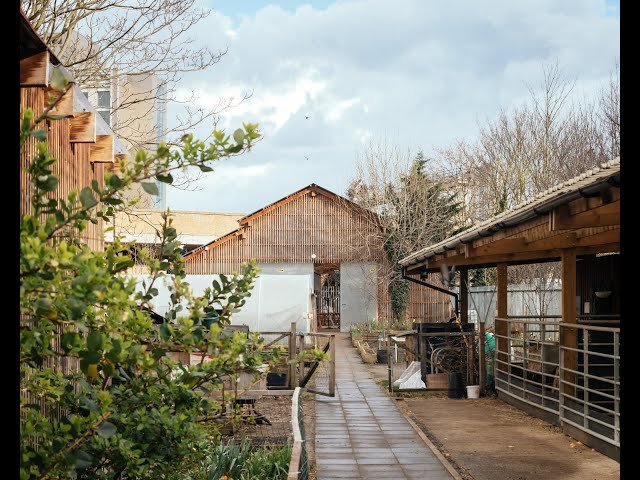
The education barn designed by Feilden Fowles provides a flexible space for workshops, lessons, and community activities. The timber structure reflects the farm’s connection with nature, while the design focuses on creating an inspiring environment where people can gather, learn, and participate in farming-related activities.
Feilden Fowles Waterloo City Farm shows how carefully planned architecture can transform an urban location into a meaningful public space. The design approach combines sustainable materials, practical farming requirements, and educational needs, making the project a strong example of modern community-focused architecture in London.
Activities and Things to Do at Waterloo City Farm
There is much more to experience at Waterloo City Farm than simply visiting the animals. The farm offers a variety of activities that encourage visitors to explore gardening, farming techniques, and environmental education. These activities are designed for different age groups, making the farm an enjoyable destination for families, schools, and community visitors.
Children can learn about where food comes from, how plants grow, and why protecting nature is important. Educational sessions often focus on practical learning, allowing participants to develop skills while enjoying time outdoors. The farm provides an engaging alternative to traditional classroom environments by using real-life experiences to support learning.
The community also benefits from events, workshops, and volunteering opportunities hosted by the farm. These activities help bring people together and encourage local involvement. Whether visitors are attending a seasonal event, joining a gardening session, or simply exploring the space, the farm offers a welcoming atmosphere that celebrates community connections.
Location and How to Visit Waterloo City Farm
Waterloo City Farm is conveniently located in central London, making it easy to include in a day trip around the city. Its position close to Waterloo Station means visitors can reach the farm using several transport options, including trains, buses, and the London Underground.
For visitors arriving by train, Waterloo Station provides excellent connections from different parts of London and surrounding areas. From the station, the farm can be reached with a short walk, making it a convenient attraction for both tourists and local residents. Its central location makes it an accessible green space within one of the world’s busiest cities.
Those travelling by public transport should check current routes and travel information before their visit. London transport services can change, and planning ahead helps visitors enjoy a smoother journey. The farm’s location near important landmarks also makes it easy to combine with other sightseeing activities in the Waterloo and South Bank areas.
Opening Times and Visitor Information
Before planning a trip, visitors should check the latest opening times and any specific visitor guidance. Opening hours may change throughout the year due to seasonal schedules, private educational sessions, events, or farm maintenance. Checking updated information ensures visitors arrive at the right time and have the best possible experience.
The farm welcomes different types of visitors, including families, individuals, schools, and community groups. Guests are encouraged to respect the animals, follow safety instructions, and take care when exploring farming areas. Comfortable clothing and suitable footwear are recommended because parts of the farm environment may involve outdoor surfaces.
Planning a visit during quieter periods can provide a more relaxed experience, especially for families with young children. Visitors may also want to check for upcoming workshops or community events, as these activities can make a trip even more memorable.
Why Waterloo City Farm Is Worth Visiting
Waterloo City Farm offers something different from many London attractions because it combines education, nature, architecture, and community values in one location. It provides a refreshing break from the city’s busy atmosphere while allowing visitors to experience the charm of a working farm environment.
The farm is particularly appealing for families looking for educational activities, visitors interested in sustainable projects, and anyone wanting to discover hidden green spaces in London. It shows how urban areas can include nature and farming while creating opportunities for people to connect with each other.
The combination of animals, gardens, community programmes, and impressive design makes the farm a memorable destination. Whether visiting for a short trip or spending time exploring its facilities, guests can enjoy an experience that is both enjoyable and informative.
Sustainability and Community Impact of the Farm
Sustainability is at the centre of the farm’s mission. By encouraging environmental awareness and practical learning, Waterloo City Farm helps visitors understand the importance of greener lifestyles. Urban farming projects like this demonstrate how cities can create spaces that support biodiversity, education, and community wellbeing.
The farm provides valuable lessons about growing food, caring for animals, and protecting natural resources. These experiences are especially important for younger generations, helping them understand the relationship between people, food, and the environment.
Beyond education, the farm strengthens community relationships by offering a shared space where people can meet, learn, and participate. It represents how creative ideas and community effort can transform unused urban spaces into places that benefit everyone.
Conclusion
Waterloo City Farm is a remarkable example of how farming, architecture, and community projects can come together to create a valuable London attraction. From meeting animals and joining educational activities to exploring sustainable design, the farm provides visitors with an experience that is both enjoyable and meaningful.
The connection between Waterloo City Farm Feilden Fowles design and the farm’s community purpose makes it a fascinating destination for visitors interested in nature, sustainability, and innovative urban spaces. Whether you are a local resident, a family exploring London, or someone interested in unique city attractions, this farm offers a memorable experience.