If you have searched online for ODAC eye test meaning, you are certainly not alone. Many people come across the term while reading eye examination reports or searching for information about advanced eye scans. However, this phrase often creates confusion because “ODAC” is not a recognised abbreviation used in modern optometry or ophthalmology. In most situations, people are actually searching for information about the abbreviations “OD” or “OCT”, which are genuine eye care terms used by opticians and eye specialists.


Understanding common eye examination terminology helps patients make informed decisions about their vision and overall eye health. This guide explains the true ODAC eye test meaning, why people confuse it with OCT, what OD represents on an eye prescription, and how modern eye tests help detect serious conditions before symptoms develop. By the end of this article, you will have a much clearer understanding of the terminology used during professional eye examinations in the UK.
What Does ODAC Eye Test Meaning Refer To?
When researching ODAC eye test meaning, it is important to understand that ODAC is not an official abbreviation recognised by professional optometrists or ophthalmologists. Instead, the phrase commonly appears because of typing mistakes, online misinformation, or confusion between several similar-looking eye care abbreviations. Search engines often display information about OCT scans or the abbreviation OD because these are the terms most people are actually looking for.
The misunderstanding has become increasingly common as more patients receive detailed digital eye examination reports. People may accidentally combine abbreviations or misread printed information, leading them to search for ODAC instead of the correct medical terminology. Understanding this distinction helps you find accurate information and avoid unnecessary confusion when discussing your eye health with an optician.
Understanding OD in an Eye Test
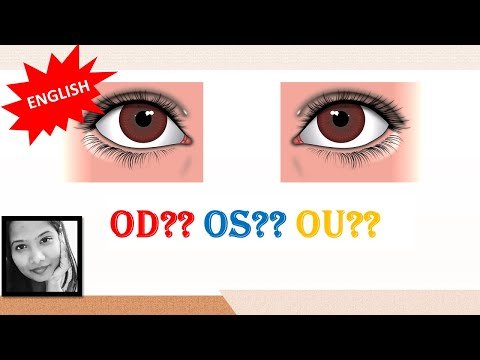
One of the most common abbreviations found on an eye prescription is OD, which comes from the Latin phrase Oculus Dexter. This simply means the right eye. Eye care professionals use OD to indicate measurements, prescriptions, or examination findings relating specifically to the patient’s right eye. It has been a standard abbreviation in optometry for many years and continues to appear on prescriptions throughout the United Kingdom.
Alongside OD, you will often see OS, meaning the left eye (Oculus Sinister), and OU, meaning both eyes (Oculus Uterque). These abbreviations allow opticians to record information quickly and accurately while ensuring every prescription remains easy for healthcare professionals to interpret. Learning these terms makes reading your own eye test report considerably easier.
What Is an OCT Eye Test?
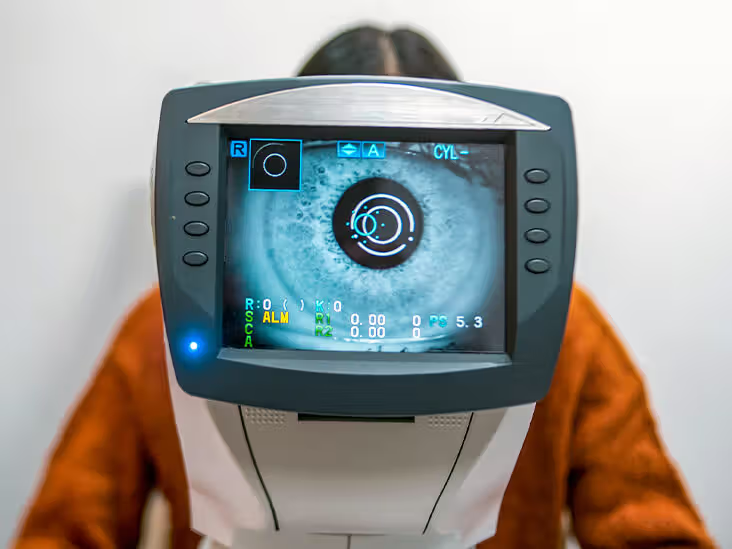
An Optical Coherence Tomography scan, commonly known as an OCT eye test, is one of the most significant advances in modern eye care. This painless imaging procedure uses light waves to produce highly detailed cross-sectional images of the retina and optic nerve. Unlike a routine sight test, an OCT scan allows opticians to examine structures beneath the surface of the eye that cannot be seen with traditional examination methods.
The examination is quick, comfortable, and completely non-invasive. During the scan, you simply place your chin on a support while the machine captures detailed images within a few seconds. Because the procedure involves no physical contact with the eye, there is no discomfort or recovery period, allowing you to continue your day immediately after the appointment.
ODAC vs OCT: Understanding the Difference
A major reason people search for ODAC eye test meaning is because they mistakenly believe ODAC refers to another type of eye scan. In reality, OCT is the recognised medical abbreviation used by eye care professionals, while ODAC has no official meaning within routine optometry or ophthalmology. The confusion usually arises through typing errors, incorrect online references, or misunderstanding printed eye examination reports.
Recognising the difference between these terms helps patients communicate more confidently during appointments. If your optician recommends an OCT scan, they are referring to an advanced diagnostic examination designed to assess retinal health and detect eye disease at an early stage. Knowing the correct terminology allows you to ask informed questions and better understand your eye care plan.
What Can an OCT Eye Test Detect?
One of the greatest benefits of an OCT scan is its ability to detect serious eye conditions long before noticeable symptoms appear. The detailed retinal images allow opticians to identify early signs of glaucoma, age-related macular degeneration, diabetic retinopathy, retinal swelling, optic nerve damage, and several other conditions that could affect long-term vision if left untreated.
Early diagnosis often leads to earlier treatment, significantly improving the chances of preserving healthy eyesight. Because OCT technology can detect tiny structural changes within the retina, opticians are able to monitor disease progression over time and compare scans from previous appointments. This makes the examination an extremely valuable tool for both diagnosis and ongoing eye health management.
How to Read Eye Test Results
Eye examination reports often contain medical abbreviations that can appear confusing at first glance. Alongside OD and OS, you may notice terms such as SPH, CYL, AXIS, ADD, and PRISM. These measurements describe different aspects of your prescription and help your optician determine the most suitable corrective lenses for your vision.
If your examination includes retinal imaging, your optician will usually explain the OCT findings using the images captured during the appointment. Never hesitate to ask questions if any terminology appears unfamiliar. Understanding your results is an important part of maintaining healthy eyesight and ensuring you fully understand any treatment recommendations.
What Happens During an OCT Eye Test?
Many patients feel nervous before their first OCT examination, although the procedure is remarkably simple. After taking a seat in front of the imaging machine, you will be asked to rest your chin on a support and focus on a small light while the scanner captures detailed pictures of your retina using harmless light waves.
The entire process normally takes only a few minutes and causes no discomfort whatsoever. Because no instruments touch your eye and no injections are required, the examination is suitable for people of almost every age. Once complete, your optician can immediately review the images and discuss the results with you during the same appointment.
Who Should Have an OCT Eye Test?
Although an OCT scan can benefit almost anyone, it is especially recommended for adults over the age of forty, individuals living with diabetes, people who have a family history of glaucoma, and anyone experiencing unexplained changes in their vision. Regular monitoring allows eye care professionals to detect disease before noticeable symptoms develop.
Your optician may also recommend routine OCT scans if previous examinations identified changes within the retina or optic nerve. Ongoing monitoring helps specialists assess whether conditions remain stable or require additional treatment. Regular examinations provide valuable reassurance and contribute significantly to protecting your long-term eye health.
Benefits of an OCT Eye Test
Modern OCT technology offers numerous advantages over traditional eye examinations alone. The detailed retinal images enable opticians to identify microscopic changes that would otherwise remain invisible during standard sight tests. This allows many serious eye diseases to be diagnosed much earlier than previously possible, giving patients greater opportunities for successful treatment.
Another major benefit is the speed and comfort of the examination. The scan is painless, non-invasive, highly accurate, and suitable for routine monitoring. As technology continues to improve, OCT scanning has become an increasingly important part of comprehensive eye care throughout the UK, helping opticians deliver more precise diagnoses and personalised treatment plans.
Common Misunderstandings About ODAC Eye Test Meaning
The phrase ODAC eye test meaning continues to generate online searches because many people naturally assume it refers to an official eye examination. In reality, the confusion usually results from incorrect spellings, misunderstandings of medical abbreviations, or inaccurate information shared across websites and social media platforms.
Whenever you encounter unfamiliar terminology during an eye examination, it is always best to ask your optician directly rather than relying solely on online sources. Eye care professionals can explain every abbreviation on your report and clarify why particular tests or scans have been recommended for your individual eye health needs.
Tips for Understanding Your Eye Test Report
Reading your eye examination report becomes much easier once you become familiar with common optometry abbreviations. Keeping a copy of your prescription, asking your optician to explain unfamiliar terms, and learning the meanings of OD, OS, OU, and OCT can help you feel much more confident about your vision and treatment recommendations.
Regular eye examinations remain one of the most effective ways to maintain healthy eyesight throughout your life. Even if your vision appears perfectly normal, routine appointments combined with advanced imaging technology provide valuable opportunities to detect eye disease early and protect your long-term sight.
Conclusion
Understanding the true ODAC eye test meaning begins with recognising that ODAC is not an official medical abbreviation used in professional eye care. In most cases, people searching this phrase are actually looking for information about OD, which refers to the right eye, or OCT, the advanced retinal imaging scan commonly performed during comprehensive eye examinations.
By understanding these important terms, you can read your eye examination reports with greater confidence and communicate more effectively with your optician. Whether you attend regular sight tests or undergo an OCT scan because of specific concerns, staying informed about your eye health is one of the best ways to preserve clear vision and identify potential problems before they become more serious.