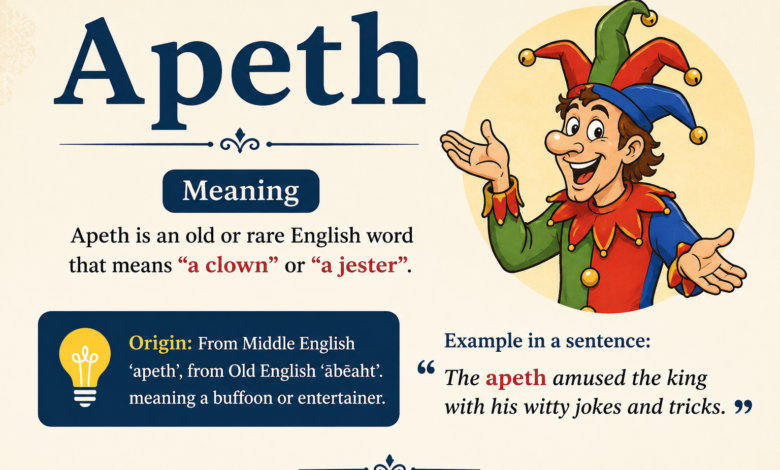
Language is full of fascinating words that reveal the history, humour, and traditions of different communities. One such word is apeth, a distinctive British slang expression that is especially associated with Northern England. Although it may sound unusual to people unfamiliar with regional dialects, the word has a warm and interesting background. The apeth meaning is generally linked to a silly, foolish, or amusing person, but the expression is often used in a friendly and affectionate way rather than as a serious insult.


In everyday British conversation, you may hear phrases such as “daft apeth” or “you daft apeth” when someone makes a small mistake or behaves in a playful way. The phrase carries a sense of humour and familiarity, particularly among friends and family members. Understanding the history and usage of this word provides insight into the colourful nature of British dialect and how older expressions continue to survive in modern speech.
Apeth Meaning in English: Definition and Explanation
The apeth meaning in English refers to a person who is considered silly, foolish, or a little bit ridiculous. However, unlike stronger words such as “idiot” or “fool”, apeth is usually much softer and often expresses affection. When someone calls another person an apeth, they are commonly teasing them for doing something silly rather than trying to offend them.
The word is mostly found in informal British speech, especially in areas where traditional Northern dialects remain popular. The meaning can change depending on the speaker’s tone and relationship with the person being addressed. A parent might call a child a “daft apeth” after they make a funny mistake, while friends may use it as a playful nickname. The phrase represents the British habit of combining gentle criticism with humour and affection.
What Does Daft Apeth Mean?
The phrase daft apeth meaning is one of the most common searches connected with this unusual word. The expression combines two words: “daft”, meaning silly, foolish, or lacking good judgement, and “apeth”, meaning a silly or foolish person. Together, “daft apeth” describes someone who has behaved in a foolish but often amusing way.
For example, if someone forgets where they left their glasses while wearing them, a friend might laugh and say, “You daft apeth!” In this situation, the phrase is not meant to be cruel. Instead, it shows familiarity and amusement. The phrase is particularly famous in Yorkshire and other parts of Northern England, where it remains a charming example of regional speech.
You Daft Apeth Meaning and Everyday Usage
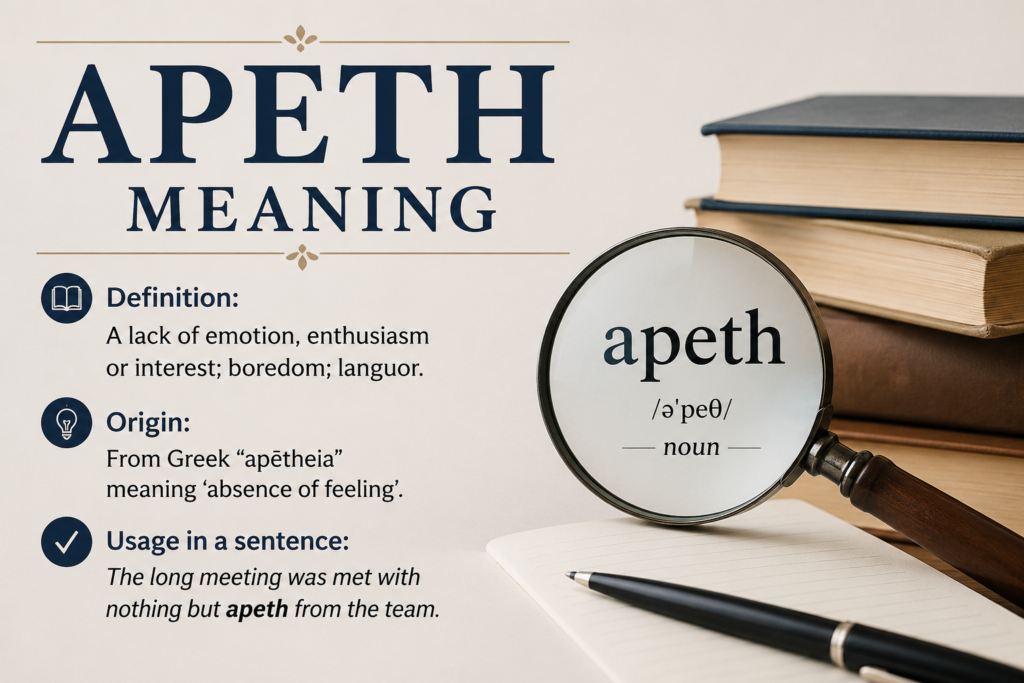
The phrase you daft apeth meaning is closely connected with friendly teasing. When someone says “you daft apeth”, they are usually expressing a mixture of amusement and affection. It can be translated into modern English as “you silly person” or “you funny fool”. The phrase often appears in conversations where someone has made a harmless mistake or acted in a slightly foolish way.
The spelling “yer daft apeth” is also commonly seen because it reflects the pronunciation of Northern English accents. In many dialects, “your” or “you” may sound different when spoken naturally. These variations show how spoken language influences the way regional expressions are written. Although the spelling may change, the meaning remains the same: a playful comment about someone’s silly behaviour.
The Origin and History of the Word Apeth
The history behind the word apeth makes it even more interesting. Linguists connect the term to the older expression ha’p’orth, which comes from “halfpennyworth”. A halfpenny was a very small amount of money in historical Britain, and a halfpennyworth referred to something of little value. Over time, this expression developed into a way of describing someone as insignificant or foolish.
As language changed through generations, the pronunciation and spelling evolved into the modern form “apeth”. Like many dialect words, it survived mainly through spoken communication rather than formal writing. The word became especially associated with Northern England, where local communities continued using traditional expressions that might have disappeared elsewhere.
This history shows how everyday phrases can transform over hundreds of years. A word that once referred to a small amount of money eventually became a humorous description of a person. The development of apeth reflects the creativity and flexibility of the English language.
Is Apeth a British Slang Word?
Yes, apeth is considered a British slang term, particularly connected with Northern English dialects. It is not commonly used in formal writing, but it remains recognised among people familiar with regional speech. Yorkshire and neighbouring areas have preserved many traditional words and phrases, and apeth is one example of this rich linguistic heritage.
Many British slang words have meanings that depend heavily on tone and context. Apeth is a good example because it can sound insulting if someone hears it without understanding the cultural background. However, in most situations, it is a gentle and humorous expression. Similar examples include words like “numpty” or “daft”, which can be negative in some situations but affectionate in others.
Common Variations of Apeth and Their Meanings
Different adjectives can be added before apeth to create slightly different meanings. These variations allow speakers to express different emotions while keeping the playful nature of the word.
A silly apeth meaning describes someone acting foolishly or making a simple mistake. It is usually a mild and humorous phrase rather than a harsh criticism. Similarly, a “soppy apeth” describes someone who is overly emotional, sentimental, or behaving in a soft-hearted way. The word “soppy” often suggests someone who shows a lot of affection or feelings.
Another popular variation is “mucky apeth”, which may describe someone who is dirty, messy, or behaving in an untidy manner. These combinations demonstrate how flexible the expression can be in everyday conversation.
What Does Apeth Meaning His House Refer To?
Some online searches include the phrase apeth meaning his house, but this does not represent the traditional English meaning of the word. Apeth does not mean “his house” in British English or Northern dialects. This type of search may come from confusion with another language, a name, or a phrase that sounds similar.
When researching unusual words, it is important to consider the language and cultural background behind them. In the case of apeth, the correct interpretation comes from British regional slang rather than meanings found in unrelated languages or phrases.
What Does Apeth Meaning African Refer To?
The search phrase apeth meaning African may suggest that people are looking for a connection between apeth and African languages or cultures. However, the traditional British slang word apeth does not have an African origin. Its roots are linked to historical English dialect and the old term “halfpennyworth”.
Words can sometimes appear similar across different languages, but similar spelling does not always mean the same origin. The meaning of apeth should be understood within its British cultural context, especially its connection with Northern England.
How to Pronounce Apeth Correctly
The pronunciation of apeth is generally written as AY-puhth. The first part sounds like the letter “A”, followed by a softer second syllable. Because the word comes from regional speech, pronunciation may vary slightly depending on the speaker’s accent.
Hearing the word spoken by someone from Northern England can help learners understand its natural rhythm and tone. Like many dialect words, the pronunciation is an important part of its identity and cultural background.
Examples of Apeth Used in Sentences
Understanding a word becomes easier when seeing it in context. Here are some examples:
- “You daft apeth, you left your keys in the door again.”
- “He is a right soppy apeth when he watches romantic films.”
- “Don’t be a silly apeth; you know better than that.”
In each example, the meaning depends on the relationship between the speakers. These phrases usually suggest humour, affection, or mild frustration rather than genuine anger.
Why Apeth Remains Important in British Culture
Traditional words like apeth help preserve regional identity and local history. Although modern English changes quickly, many dialect expressions remain popular because they carry personality and emotional meaning. A phrase like “daft apeth” communicates more than simply calling someone silly; it also reflects friendliness, familiarity, and British humour.
Regional slang gives communities a unique voice. Words that may seem strange to outsiders often have deep cultural value for the people who use them. Apeth is a reminder that language is not only about definitions but also about relationships, memories, and shared experiences.
Conclusion: The True Meaning of Apeth
The word apeth is a fascinating example of British regional slang with a long history and a charming modern meaning. The apeth meaning refers to a silly or foolish person, but the expression is usually used with warmth, humour, and affection. Phrases like “daft apeth” and “you daft apeth” remain popular because they combine gentle teasing with friendliness.
Although the word may be unfamiliar outside Northern England, it represents the richness of British dialect and the way language evolves over time. From its connection to “halfpennyworth” to its place in everyday conversation, apeth continues to be an interesting and memorable part of English slang.